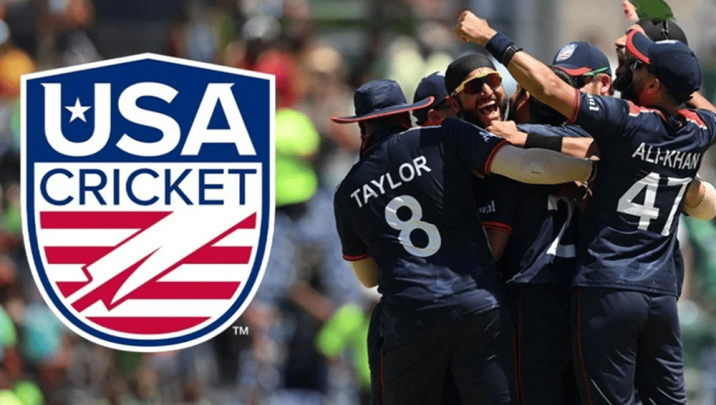
The long-running standoff between USA Cricket and American Cricket Enterprises (ACE) may finally be nearing resolution. After months of legal battles and a complete breakdown in trust, the two sides have signed a proposed settlement that could reset cricket's governance and funding structure in the United States.
At its core, the deal offers USAC a financial lifeline and restores ACE, the owners of MLC as their commercial partner as per their binding agreement in 2019. The proposed agreement is built around a funding package from ACE totaling more than $1.1 million designed to keep the board operational through bankruptcy and into its next phase.
While the courtroom clash escalated in 2025, the roots of this conflict stretch back several years. This was, in many ways, a historic tussle between former USAC chairman Venu Pisike, fellow director Srinivas Salver and ACE over finalizing a long form commercial agreement. Despite Pisike himself being part of the board that unanimously approved the original 2019 ACE deal, what followed was years of friction over control and structure of not just the contract but the cricket board as well.
In September 2025, the International Cricket Council suspended USA Cricket after issuing repeated warnings over the previous 12 months. Those warnings centered on governance failures, persistent internal conflicts, lack of structural clarity, and an inability to meet administrative standards expected of a national governing body.
Amidst tensions with the ICC, tensions reached breaking point with ACE as well. USAC attempted to terminate the ACE agreement in September 2025, a move that ACE challenged immediately as 'unlawful'. What followed next added another layer of drama. In October 2025, just moments before a scheduled court hearing in the matter, USAC filed for bankruptcy protection.
The timing was significant. By entering bankruptcy, USA Cricket shifted the battleground. The rationale, at least strategically, was clear. Bankruptcy proceedings create a framework where existing contractual disputes can be paused, restructured, or challenged under court supervision. In practical terms, it bought USAC time and leverage in a fight it was otherwise struggling to sustain. But it also marked the point of no return for Pisike and company.
By early 2026, the bankruptcy court took the extraordinary step of removing USA Cricket's existing leadership and appointing a trustee to take control of the organization. That decision fundamentally reset the dynamics. Negotiations with ACE were no longer being driven by the same board that had overseen the breakdown but by a court appointed figure tasked with finding a viable path forward. This settlement now on the table is the first major outcome of that shift.
If the settlement is approved, the focus will shift firmly to the ICC and how it chooses to rebuild USAC. While nothing is official, indications suggest a more controlled, hands on approach. The ICC is expected to play a central role in appointing leadership, including a CEO, while overseeing a restructured governance model. Rather than immediately restoring a fully elected board, the preference appears to be for a transitional setup anchored by independent directors appointed by the ICC. Elections for other director roles could be deferred until after the Olympic cycle. A deliberate move to avoid the factional infighting and governance breakdowns that plagued the organization previously.


